- 36 ways to land
- 7 is the favourite
- Fair dice are modern
- Small cubes, big ideas
CHANCE
Seven is the favourite
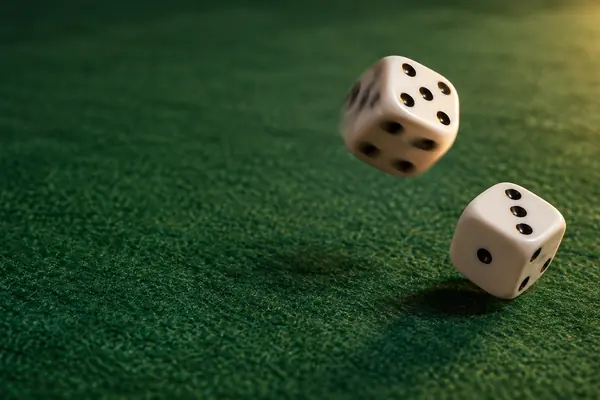
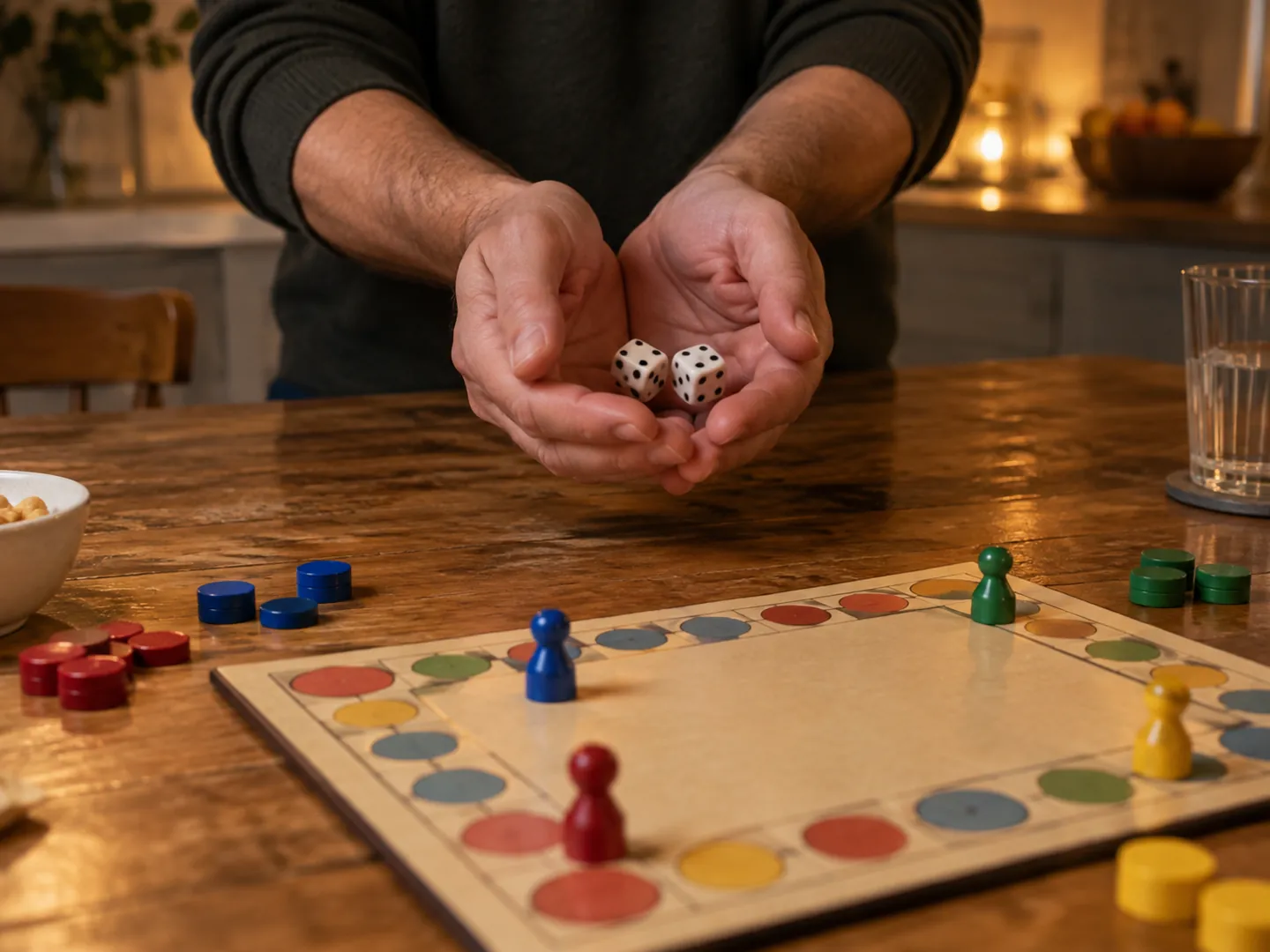
Two six-sided dice can land in 36 combinations. More of them add up to 7 than to any other total, so 7 comes up most often.
Check the odds doodledie
Updated
WHAT THE MATHS AND HISTORY SAY
A die looks simple. It hides a lot of maths.
Roll two and some totals turn up far more often than others. Look at old dice and you find lopsided Roman cubes that slowly became the fair, even dice we trust today.
SEVEN comes up most
Check the odds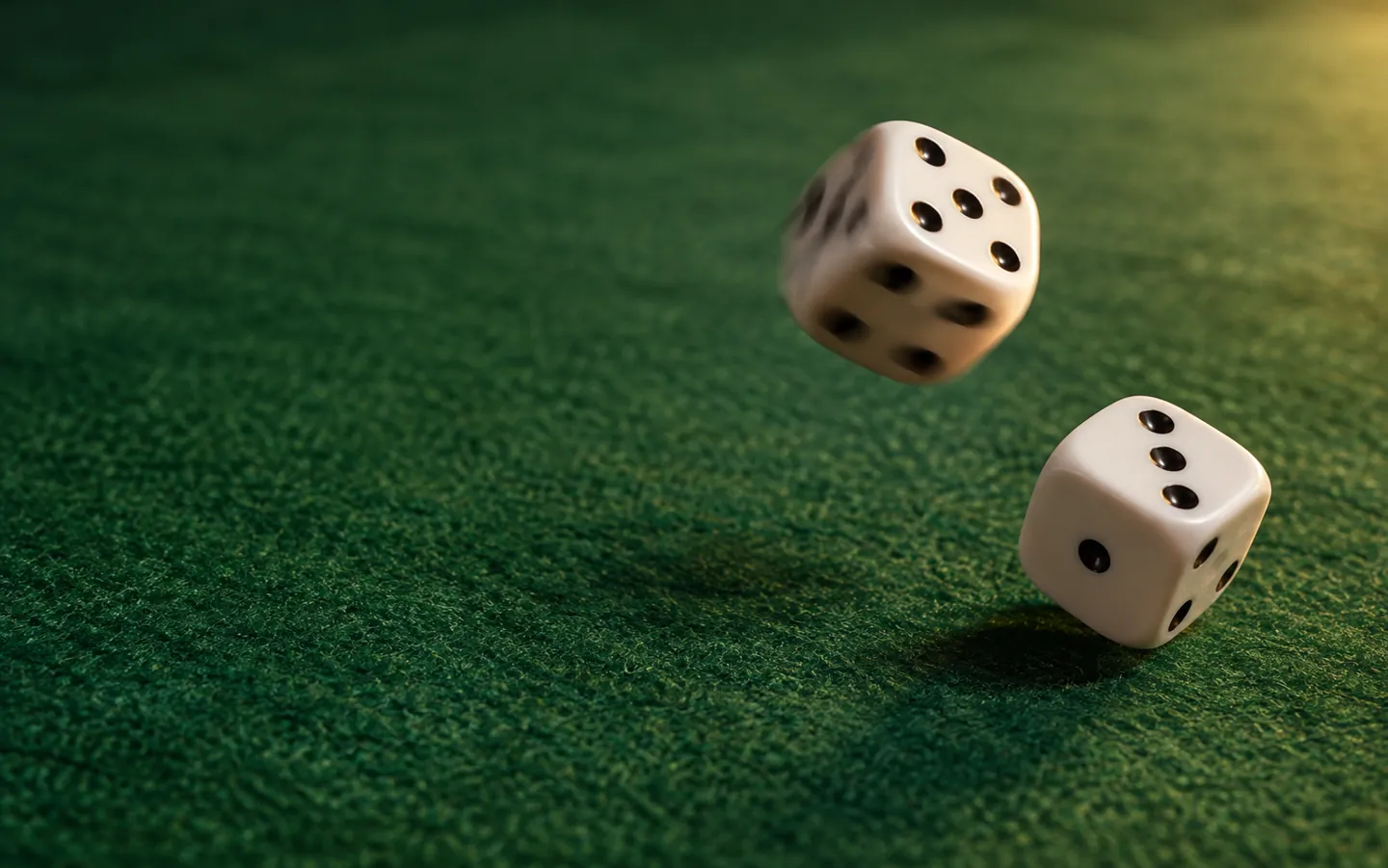
THE SHORT ANSWER
One fair die gives every number the same chance.
Add a second, and the totals stop being equal.
CHANCE
Two six-sided dice can land in 36 combinations. More of them add up to 7 than to any other total, so 7 comes up most often.
Check the oddsHISTORY
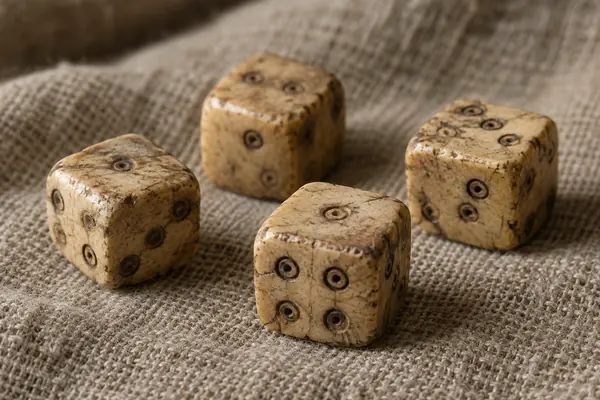
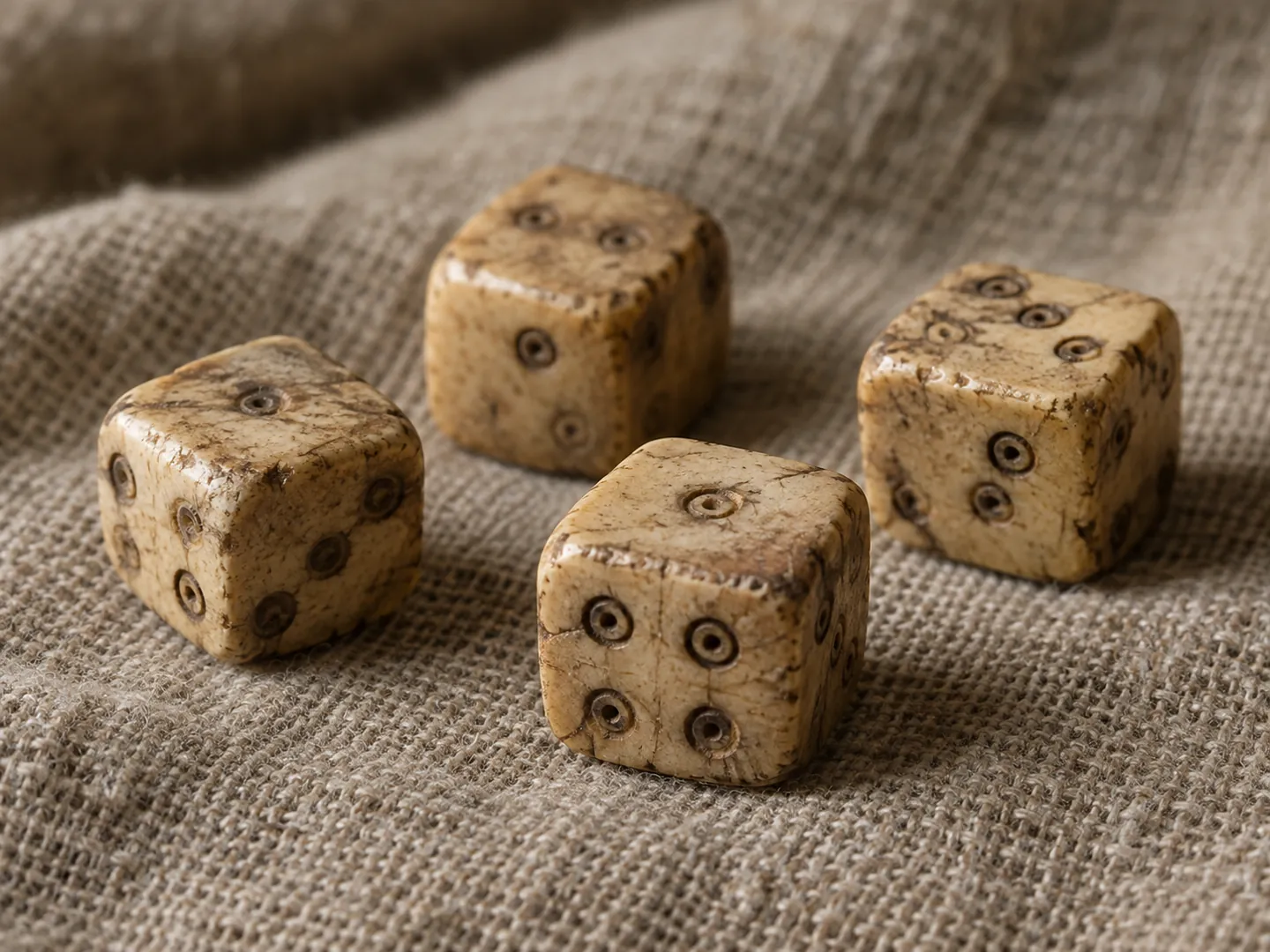
A study of 110 Dutch and 62 UK dice found Roman-era dice were often squashed and irregular, made from bone, metal and clay.
Read the historyPLAY
The way to see it is to list every pair, as school maths puzzles do. A 5 can be made 4 ways out of 36, so its chance is 1 in 9.
Try it yourselfA QUICK ODDS CHECK
Pick a roll to see how likely it is. The bar shows how likely that roll is compared with the others.
All figures assume fair dice, where every face is equally likely.
TWO NUMBERS WORTH KNOWING
One number from the maths classroom,
one from a study of old dice in museums.
16.67%
Chance of rolling 7 with two dice
Six of the 36 possible combinations add up to 7. As one solution on the Cambridge NRICH site puts it, the commonest total is one more than the number of sides on each die.
PROBABILITY · NRICH
≈ 1450
When dice became highly standardised
Comparing Roman, medieval and Renaissance dice, researchers found dice became more cubic from about 1250, and by 1450 were highly standardised, with opposite sides adding up to seven.
HISTORY · EERKENS AND DE VOOGT
The researchers suggest the move to fair, symmetrical dice may reflect new Renaissance ideas about chance and probability, with players coming to see a throw as governed by chance rather than fate.
FOUR THINGS TO TRY
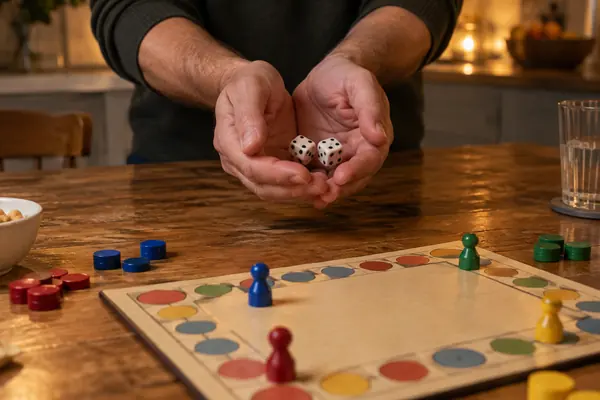
You only need two ordinary dice, a pencil and some paper. This is how classroom maths puzzles explore it.
Write 1 to 6 across the top and down the side, then fill each square with the total. You will count 36 squares.
Tally how many squares show each total from 2 to 12. The diagonal of 7s is the longest.
Roll two dice many times and tally the results. Over many rolls, 7 should turn up most often.
On most modern dice, opposite faces add up to seven: 1 and 6, 2 and 5, 3 and 4.
A SHORT HISTORY OF FAIR DICE
Roman-era dice were often large and irregular, made from bone, metal or clay. Many were squashed so that the 1 and 6 sat on the flatter faces, which made those numbers more likely to land face up. The researchers suggest Romans may have believed the outcome was down to fate anyway.
From about 1100 dice became smaller and more uniform, and for a time opposite faces were paired 1-2, 3-4 and 5-6. From around 1450 they settled back to opposite sides adding to seven. Because designs changed over time, dice can even help archaeologists date the layers of a site.
Questions
Why does 7 come up most with two dice?
Because more combinations make 7 than any other total. Of the 36 ways two six-sided dice can land, six add up to 7: 1 and 6, 6 and 1, 5 and 2, 2 and 5, 4 and 3, 3 and 4.
What is the chance of rolling a double six?
There is only one way to make 12, a 6 on both dice, so the chance is 1 in 36.
Do opposite sides of a die always add up to 7?
On most modern dice they do. A study of old dice found this sevens pattern on most Roman dice, a switch to 1-2, 3-4, 5-6 pairs in the Middle Ages, and a return to sevens from around 1450.
Were ancient dice fair?
Often not. Roman-era dice were frequently lopsided, and in most of the asymmetrical ones the 1 and 6 sat in positions more likely to roll up, according to a study of 110 Dutch and 62 UK dice.
Is one 12-sided die the same as two six-sided dice?
No. A 12-sided die gives every number from 1 to 12 the same 1 in 12 chance. Two six-sided dice can never make 1, and totals near 7 are much more likely than 2 or 12.
ABOUT THIS NAME
doodledie.com is part of the DoodleSale portfolio. It isn't in an auction right now, but you can ask about leasing it.